What are the advantages of color label printers over traditional black-and-white models?
Many B2B buyers and channel distributors are confused about the differences between color label printers and traditional black-and-white models. This article compares both devices across four dimensions—functionality, application scenarios, cost of use, and business value—to help you make precise procurement and inventory decisions.
In the commercial label printing market, traditional black-and-white thermal and thermal transfer printers have long dominated. However, as brands across industries upgrade toward greater sophistication and operational precision, single-color devices can no longer meet the demands of high-end commercial scenarios. Color label printers, with their core advantages of visual full-color output, high adaptability, and strong practicality, are gradually replacing traditional monochrome models. They are now the preferred choice for retail, manufacturing, warehousing, cross-border e-commerce, and creative industries. Many B2B buyers and channel partners struggle to clearly distinguish between the two when selecting equipment. This article provides a detailed analysis of the core advantages of color label printers across four key dimensions: functionality, application scenarios, cost, and value.
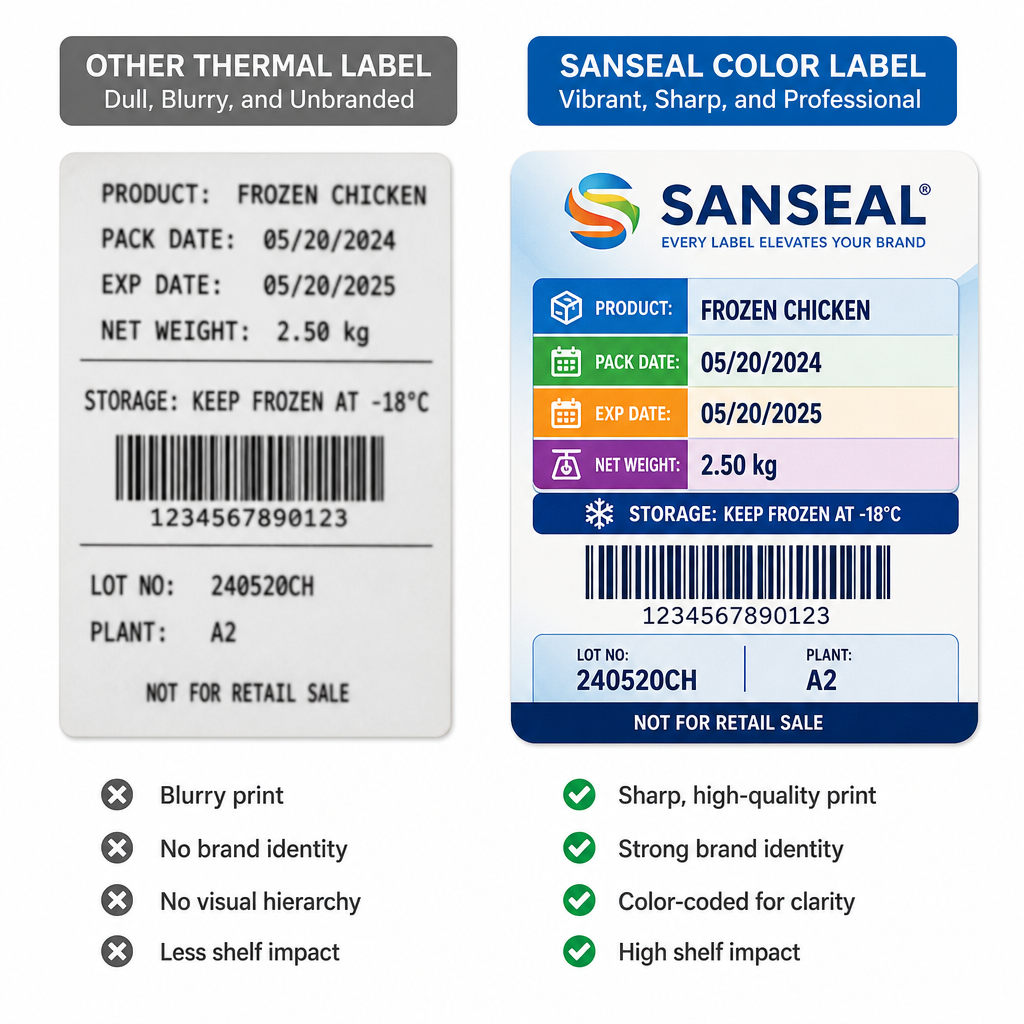
First,Significant visual impact and brand value advantagesTraditional black-and-white label printers can only print black text, lines, and barcodes. Their labels are limited in style and low in visibility, unable to display brand logos, color-coded indicators, product color schemes, or warning blocks. They meet only basic labeling needs. In contrast, color label printers deliver full-color high-definition printing with support for gradients, colorful graphics, brand logos, color QR codes, and classification color tags. The printed results feature vibrant colors and sharp clarity. For retail products, branded packaging, creative goods, and premium traceability labels, color printing significantly enhances product aesthetics and brand quality, helping businesses build a distinctive brand identity and boost market competitiveness.
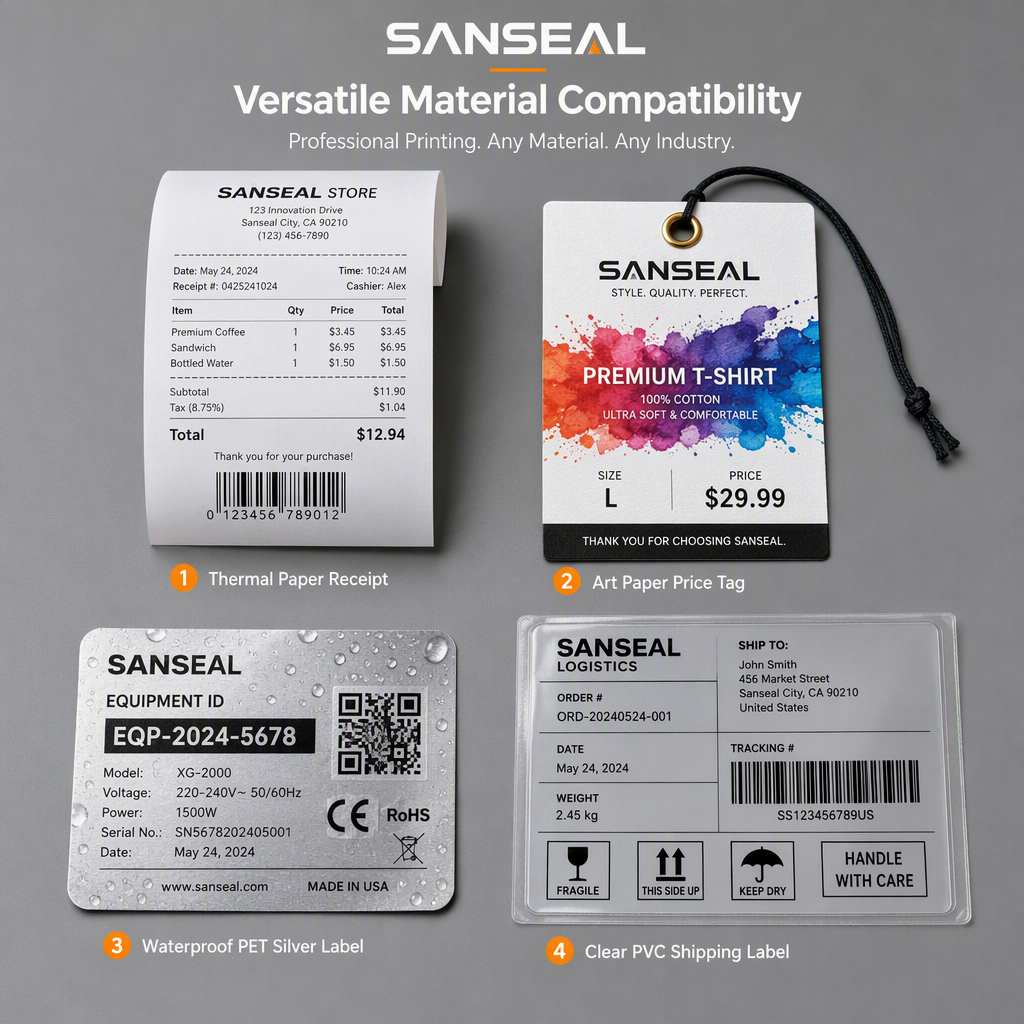
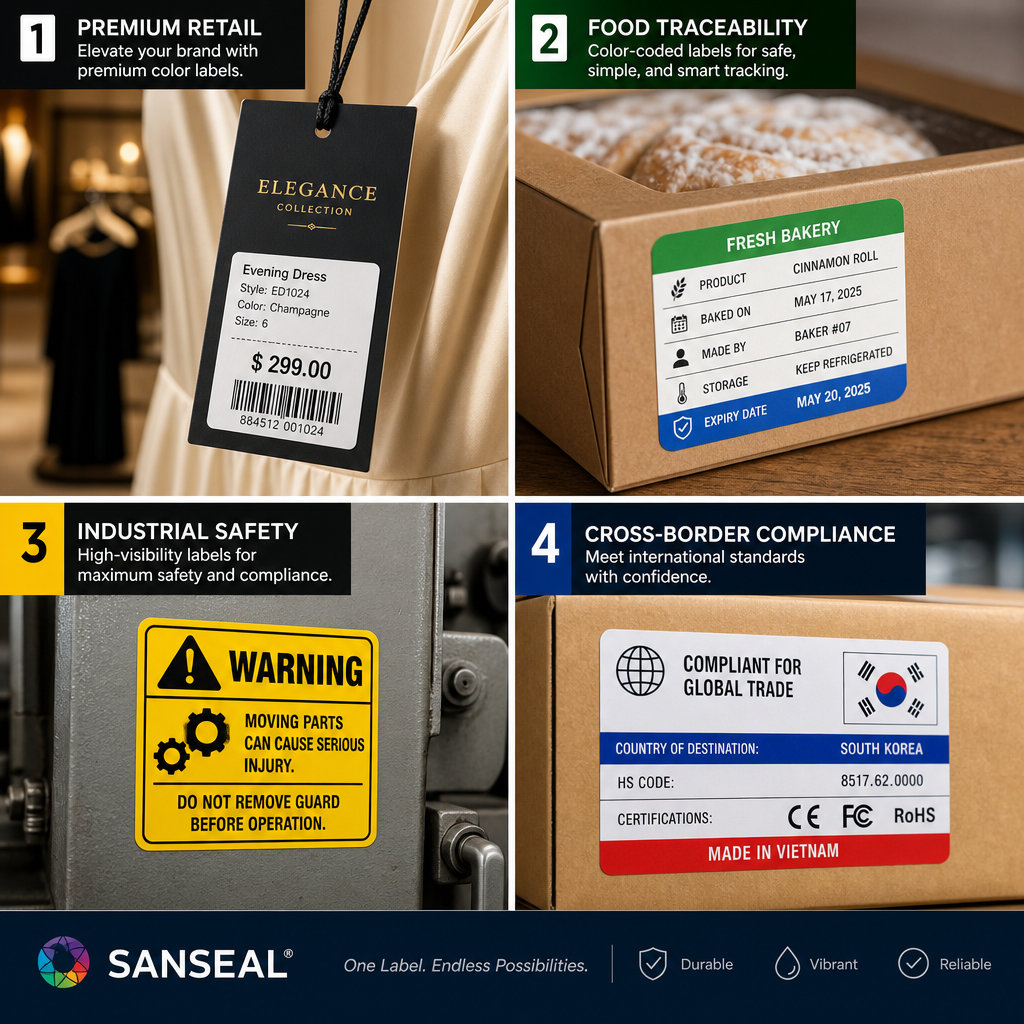
Secondly,Wider scenario adaptability and greater practicalityTraditional black-and-white label printers are limited to basic scenarios such as warehouse inventory tagging, simple price labels, and shipping labels. In contrast, color label printers support a wide range of commercial applications across all industries: vibrant price tags for retail stores, traceability color labels for fresh food, product category labels for cosmetics, color-coded warning labels for manufacturing equipment, compliance color labels for cross-border goods, and decorative stickers for creative crafts. Additionally, these devices support printing on various materials including coated paper, thermal paper, PET, PVC, and waterproof laminated paper, meeting special requirements such as moisture resistance, scratch resistance, high-temperature tolerance, and durability—perfectly suited for complex industrial and commercial environments.
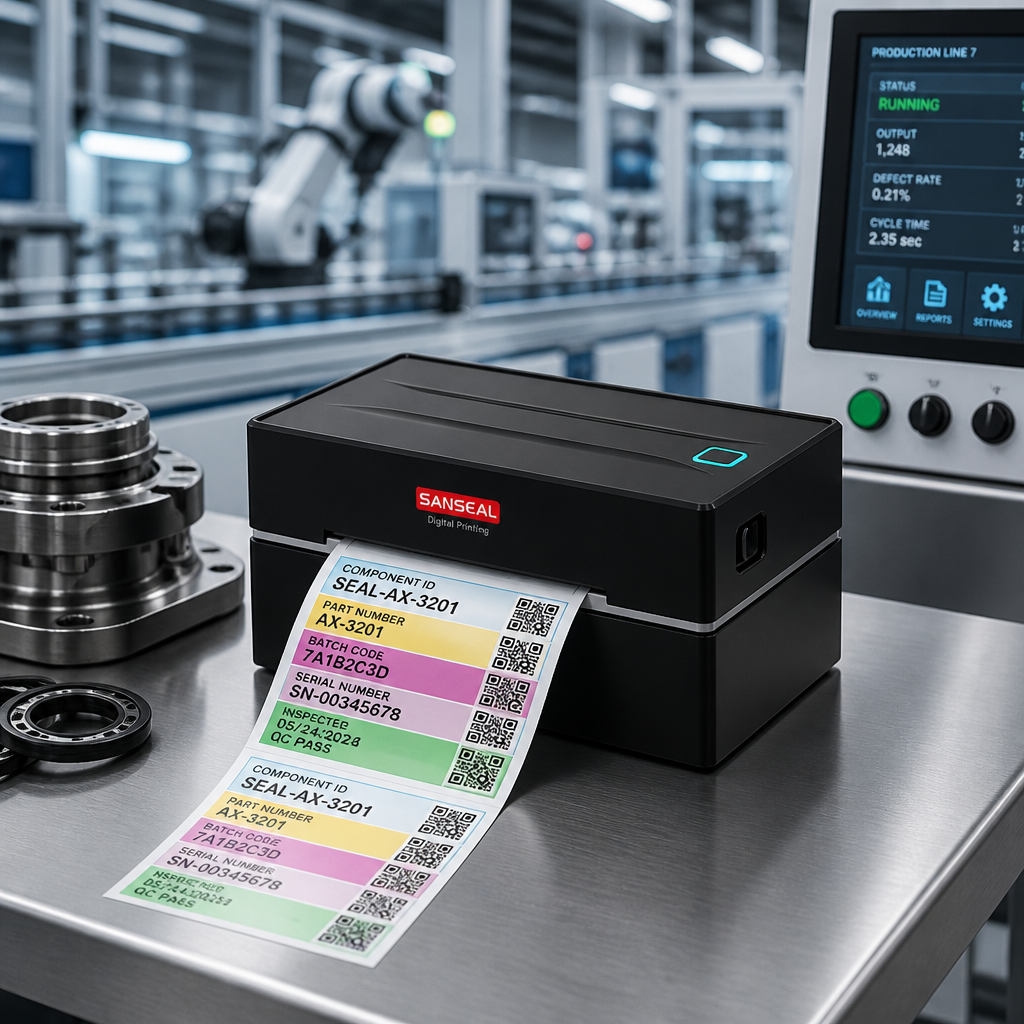
Color label printers offer distinct advantages in efficiency and classification. Enterprises can use different colors to distinguish product categories, inventory status, quality inspection grades, and logistics batches—for example, red for defective items, green for qualified products, and yellow for items awaiting inspection. This significantly boosts warehouse management, quality sorting, and item categorization while reducing manual classification errors. In contrast, black-and-white labels lack color differentiation and rely solely on text, resulting in lower efficiency that cannot meet the needs of large-scale enterprises requiring precise operations.
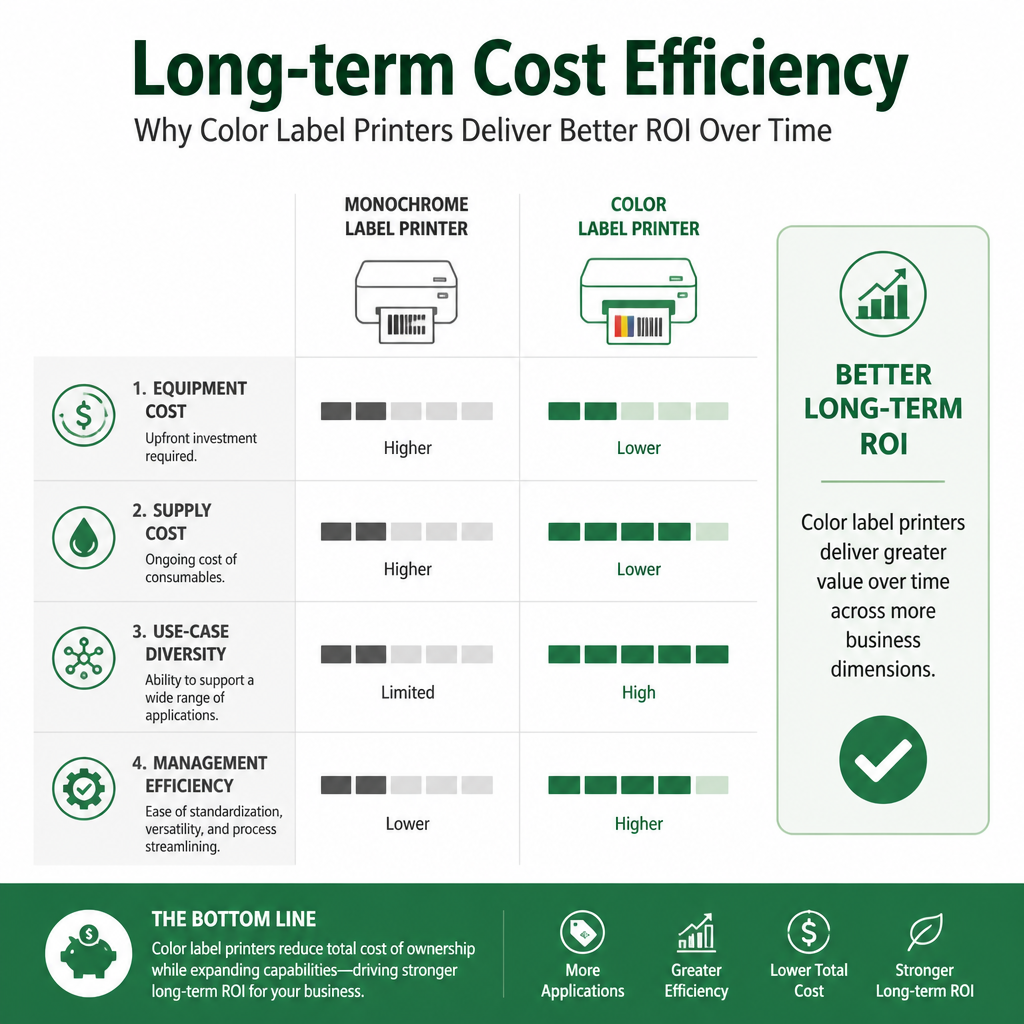
Many buyers mistakenly believe that color label printers have higher consumable costs, but in realityLower long-term total cost of ownershipTraditional black-and-white label printers, especially high-end models, often feature high consumable costs and limited functionality with poor reusability. In contrast, our color label printer uses universal color inks, offering diverse sourcing options and low unit costs. Its multi-functional design replaces multiple monochrome devices, reducing equipment acquisition, space, and maintenance expenses. For businesses and channel partners engaged in bulk commercial operations or long-term use, the overall cost-performance ratio significantly surpasses traditional black-and-white solutions.
Overall, traditional black-and-white label printers meet only basic printing needs. In contrast, color label printers deliver multiple value propositions: basic printing, brand enhancement, and efficient management. They represent the current upgrade trend in commercial printing equipment and are the preferred choice for B2B procurement and channel distribution.