B2C Buying Guide: Avoid Pitfalls in Bulk Portable Printer Procurement
The portable printer market is flooded with low-quality products masquerading as commercial-grade equipment. This article outlines common procurement pitfalls and screening criteria to help B2B enterprises and distributors source reliable, cost-effective portable printers in bulk.
As mobile office, field operations, and lightweight work needs evolve, A4 portable printers and label printers have become essential equipment for enterprise and institutional bulk procurement. However, the portable printer market is saturated with inconsistent quality, where many low-end consumer-grade devices are marketed as commercial solutions. B-end buyers often encounter issues such as high failure rates, inadequate battery life, unstable printing performance, unprofessional deployment options, and poor after-sales support—leading to wasted capital and resources. This guide addresses B-end bulk procurement scenarios by outlining key criteria to help customers accurately select high-quality, reliable, and cost-effective commercial-grade portable printers.
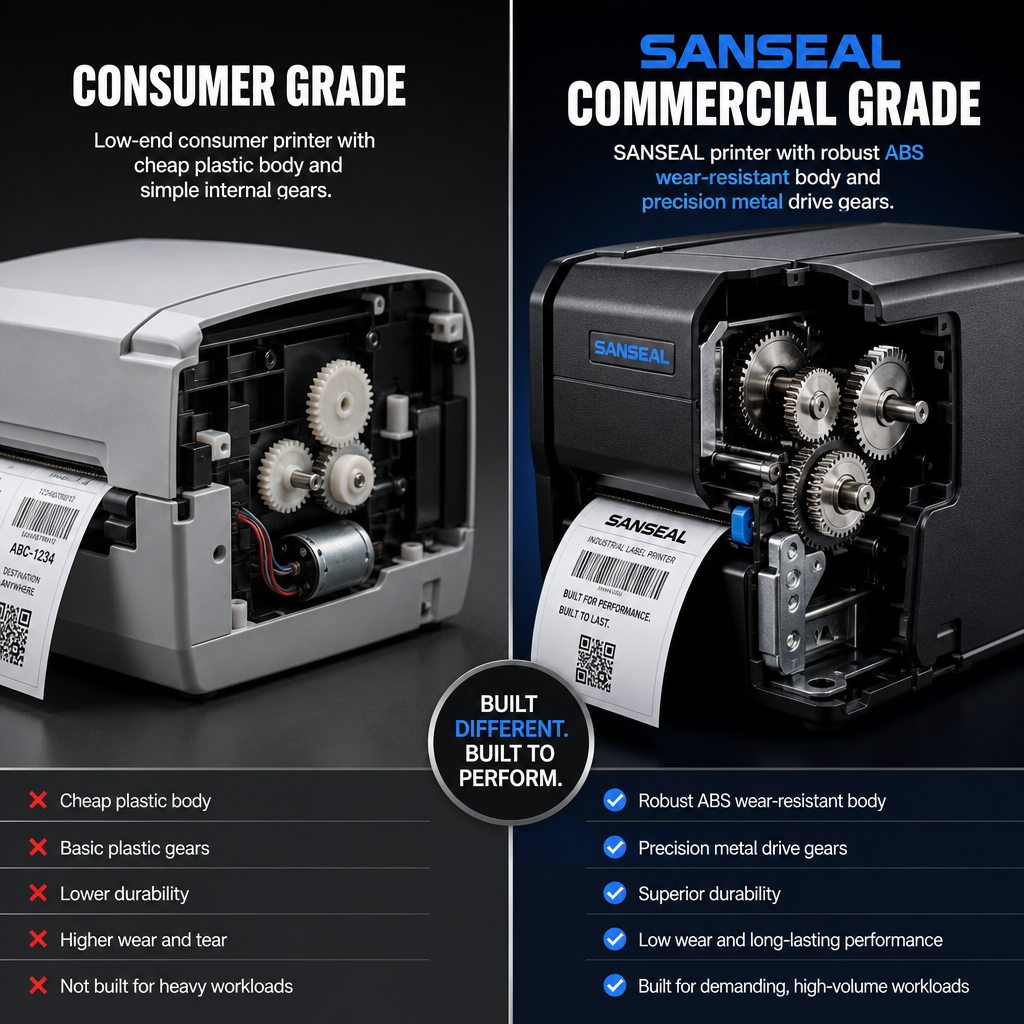
1. Avoid consumer-grade products disguised as commercial-grade equipmentMost low-priced portable printers on the market are consumer-grade devices designed for light home use. They feature low hardware specs, subpar build materials, and limited heat dissipation. These models only support occasional small-batch printing and cannot handle B2B scenarios requiring high-frequency, long-term, or bulk operations. For enterprise bulk procurement, you must selectcommercial-grade configurationpreferably with a wear-resistant ABS body, metal transmission structure, and intelligent heat dissipation system to support long-term continuous operation without overheating or failure, suitable for daily enterprise office use.
2. Avoid inaccurate battery life specifications. The core advantage of portable printers is offline mobile use without a power supply. Many vendors falsely advertise battery life with nominal values far exceeding actual usage time, leading to frequent power failures during field work and severely impacting office efficiency. B2B procurement must verify theActual offline battery life and page countCommercial-grade equipment features high-capacity lithium batteries that deliver hundreds of continuous pages on a full charge, meeting all-day field operation needs. Fast charging is supported for rapid energy replenishment, adapting to high-frequency use scenarios.
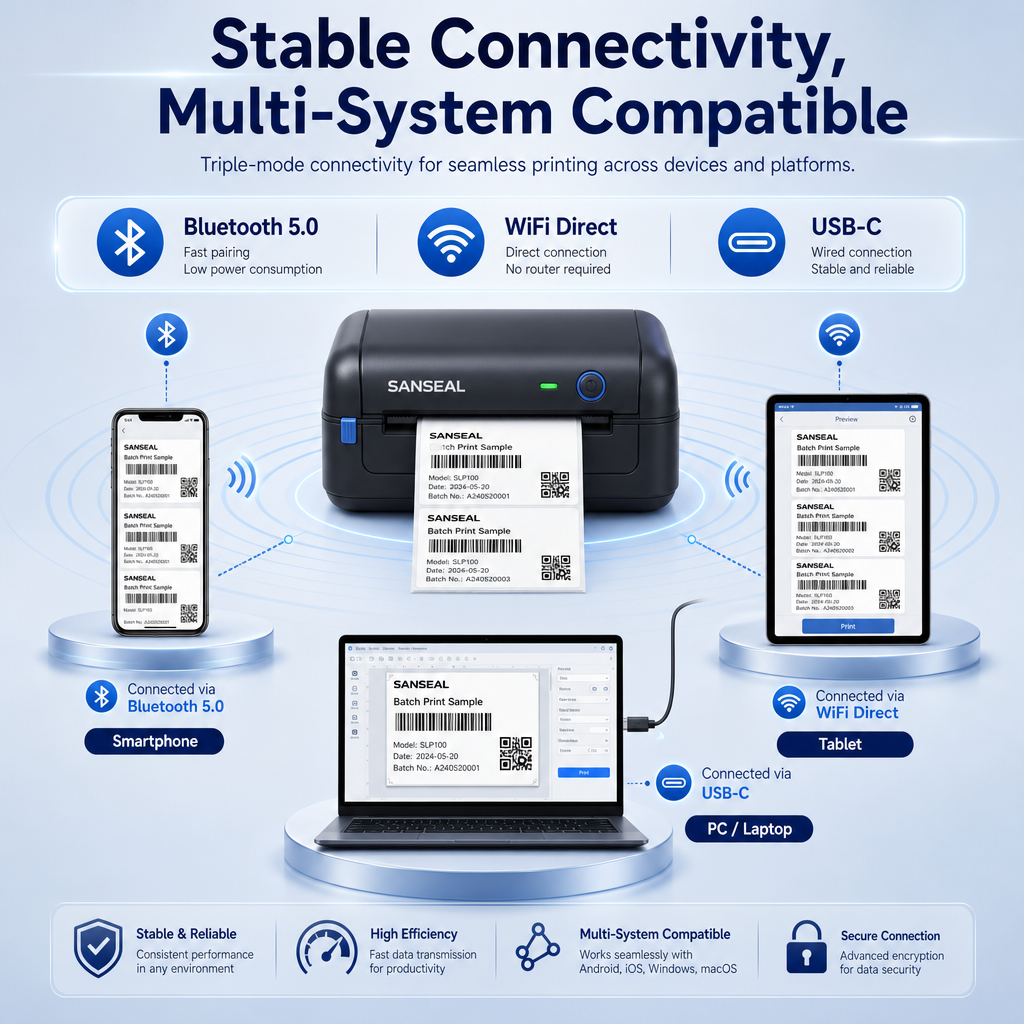
3. Avoid single connections and poor compatibilitySome low-end portable printers only support a single Bluetooth connection with poor system compatibility. They fail to work seamlessly across Android, iOS, computers, and tablets, resulting in unstable connections and frequent dropouts that undermine the team office experience. B2B commercial equipment must support:Bluetooth + Wi-Fi + USB multi-mode connectivityFull system compatibility, stable transmission, and multi-device support for seamless shared use across enterprise teams.
4. Avoid unstable batch printing effectsMany low-end devices deliver acceptable single-page print quality but suffer from ghosting, ink breakage, text blur, and paper offset during high-volume printing. This results in inconsistent output that fails to meet enterprise standards for filing, reconciliation, and compliance. To ensure consistent quality, select equipment featuring high-precision nozzles, precise paper-feed mechanisms, and intelligent color calibration.Uniform, clear, and consistent batch print qualityMeets commercial office standards.
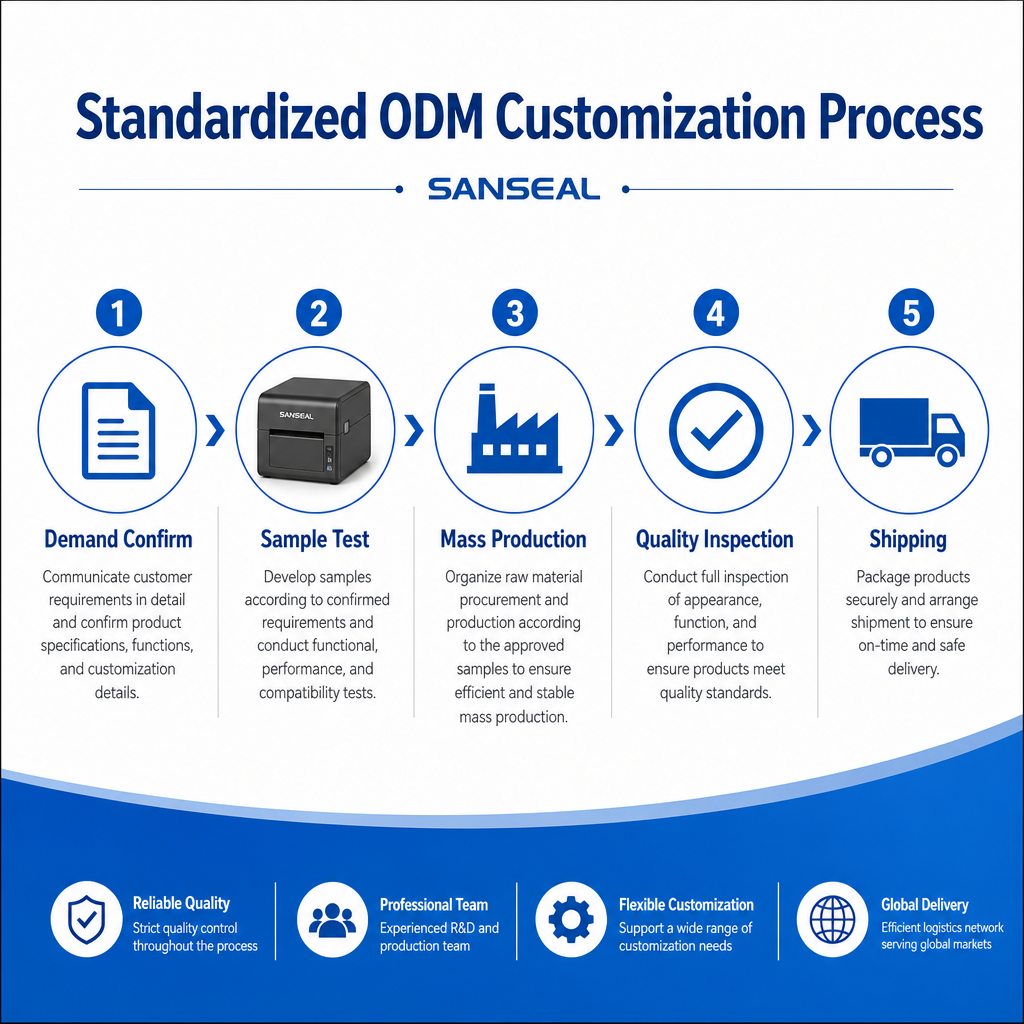
5. Avoid incomplete after-sales service and lack of technical support.Bulk procurement differs from personal purchases, requiring full after-sales support and technical services. Most intermediaries lack professional technical teams to repair equipment, debug systems, or deploy devices in batches. B2B customers should work directly with original manufacturers to obtainFull machine warranty, 7×24-hour technical response, one-on-one FAE debugging, and batch equipment deployment guidance, as well as value-added services including bulk customization, OEM, and system adaptation.
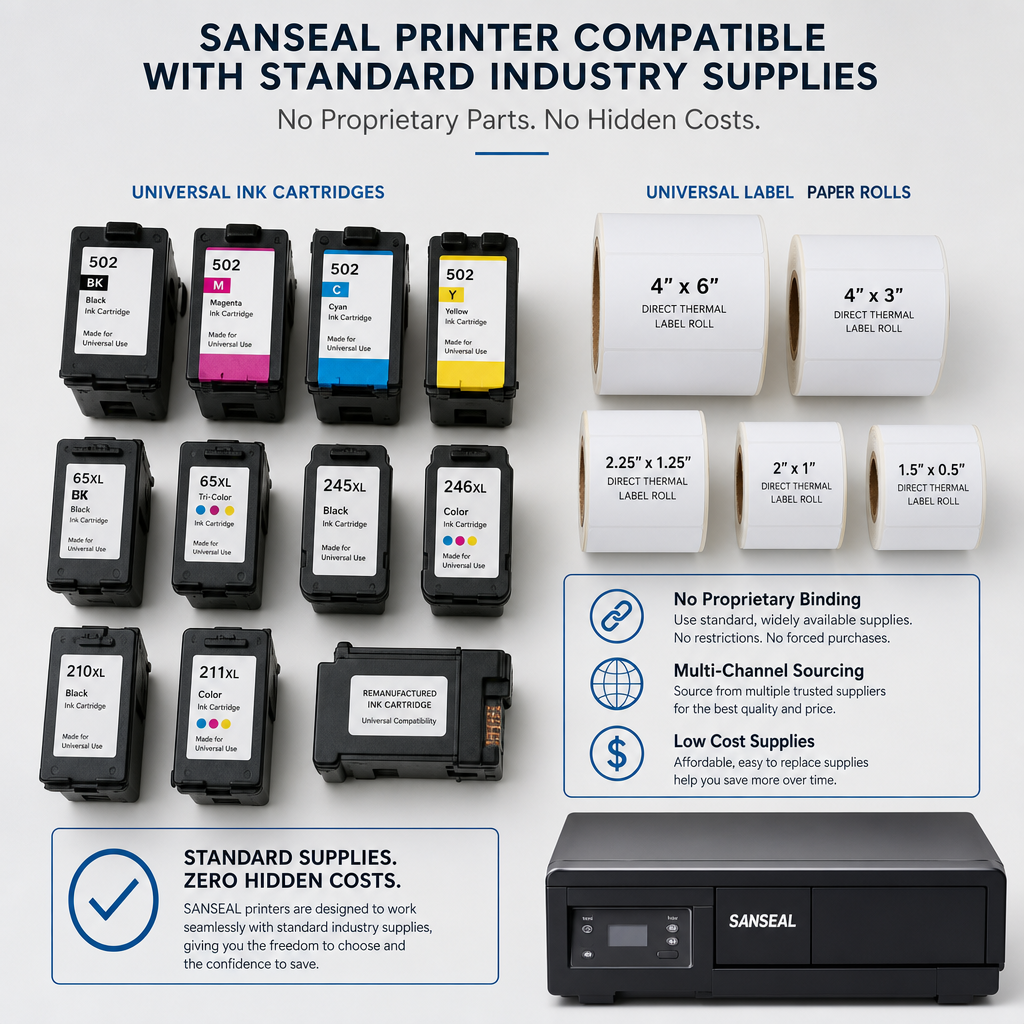
6. Avoid consumable bindings and hidden consumptionSome printer manufacturers lock in exclusive consumables at high prices with single procurement channels, resulting in extremely high long-term operating costs. B2B buyers must choose wisely for long-term procurement.universal consumable modelswith high cost-performance, free procurement channels, no hidden fees, and significantly reduced long-term operational costs for enterprises.